When it comes to replacing missing teeth, dental implants are complete game changers; these innovative posts are capable of fully restoring oral functionality for patients, regardless of the number of pearly whites they’re missing. However, some patients wonder if dental implants are susceptible to rust; while they are impressively reliable and durable, there is still an incredibly minimal risk that you should be aware of. Nonetheless, you should not let this risk deter you—here’s what your dentist wants you to know.
A Closer Look at Dental Implants
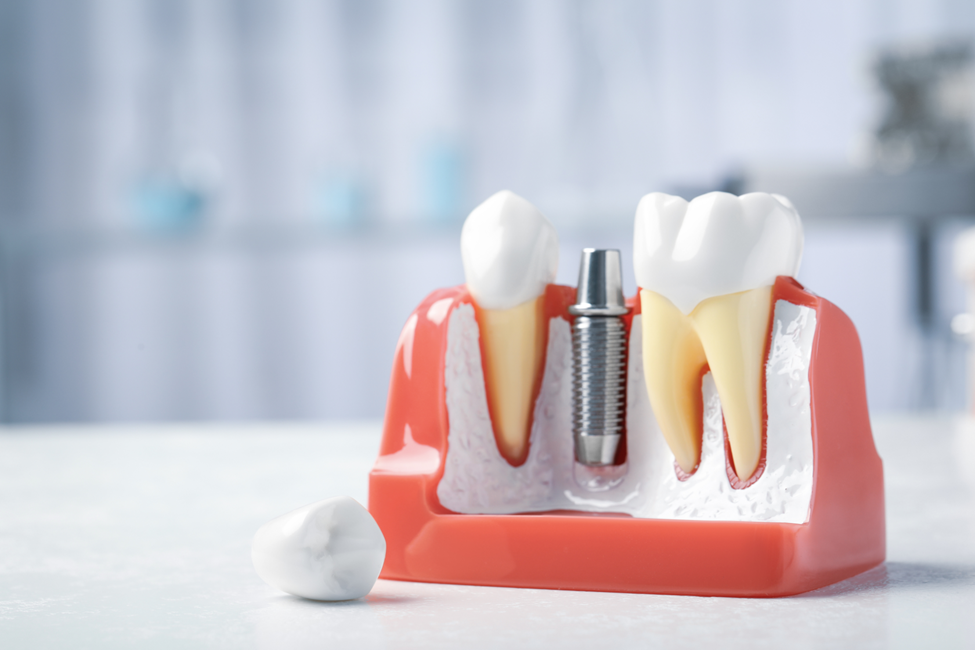
Dental implants consist of three main components: the titanium implant post that’s embedded into the jaw, an abutment piece that goes on top of this post, and the actual replacement teeth, which sit on top of this abutment. By working in unison, these parts are able to serve as a permanent solution for tooth loss, regardless of how many teeth a person is missing, and under ideal circumstances and with proper care, they can even last for decades!
Dental Implants Are Resilient and Unlikely to Rust
Titanium is an impressively durable metal that has several uses in healthcare since it’s totally biocompatible, meaning it can healthily fuse with your bone matter. Better yet, titanium is also non-ferrous, meaning that it doesn’t contain iron. Iron is a very common element that’s known to rust because of a chemical reaction called oxidation, which occurs when it’s exposed to moisture and oxygen. Unlike iron-based metals, titanium doesn’t oxidize when exposed to oxygen or moisture.
This makes it the ideal choice for all types of medical procedures, including dental implants! However, just because dental implants lack iron (aside from very trace amounts found in titanium) doesn’t mean they’re resistant to corrosion. Galvanic corrosion can still occur due to reactions between the jawbone, the implant, and your saliva, which creates a mild electrical current as it flows through the mouth.
How To Protect Your Dental Implants
Though they’re unlikely to rust, you’ll still need to protect your dental implants from other threats. Brush and floss your teeth daily, in addition to rinsing with an antibacterial mouthwash. Avoid bad oral habits like smoking, using tobacco, and biting into hard objects. Visit your dentist for routine checkups and cleanings. All of these practices will help you avoid bacterial infections that threaten your dental implants, as well as other damage that might compromise them.
So while dental implants are resistant to rust, they aren’t invulnerable to it; however, only a very small number of implant patients end up needing attention due to rust or corrosion. They remain the gold standard when it comes to tooth replacement, and this resilience is just one of the many reasons why!
About the Practice
Dr. Sean Brown is a friendly and knowledgeable dentist with a Doctor of Dental Surgery degree from the University of Buffalo. He enjoys helping patients protect their oral health and feel confident in their smiles through advanced treatments like Invisalign. If you’re ready to improve your quality of life, you’re in good hands. Call (215) 348-2224 to schedule an Invisalign consultation at Sean Brown DDS or visit our website to request an appointment online.