
Gum Disease Treatment Doylestown
Safeguarding Your Smile’s Foundation
As you may already know, your gums play a crucial role in supporting and defending your smile. If they get inflamed and infected, it won’t take long for your oral health and quality of life to suffer. The good news is that Dr. Sean Brown can fix the problem with targeted gum disease treatment in Doylestown. So, read on or schedule a visit to learn more about what it can do.
Why Choose Sean Brown, DDS for Gum Disease Treatment?
- Modern Dental Office with Patient Comfort Amenities
- Gum Screenings Performed at Every Checkup
- Gentle Dentistry Tailored for Each Patient
What Is Gum Disease?
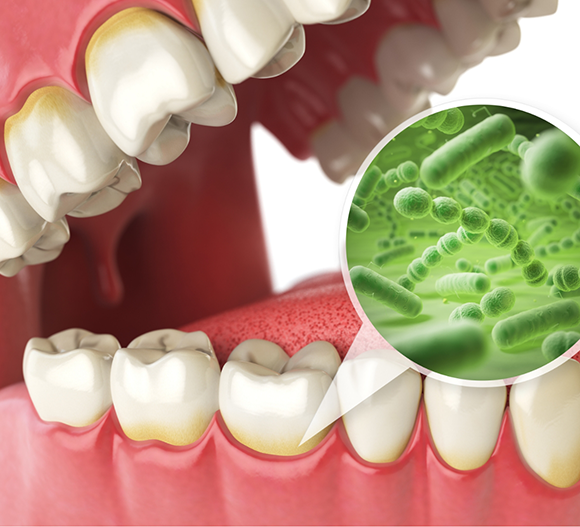
Gum disease is an infection of your gum tissue, often due to plaque buildup. A patient is most likely to suffer from it when they have a poor diet, bad dental care, and unhealthy oral habits. Still, the condition has other risk factors as well – genetics, tobacco use, etc.
In essence, gum disease has two distinct stages when left unchecked. The first one is gingivitis – a mild inflammation of the gums that irritates. Its second phase is periodontitis, a full-blown infection that directly attacks your gums and jaw. This later stage can only be managed at best, while treatment can reverse gingivitis.
Symptoms of Gum Disease
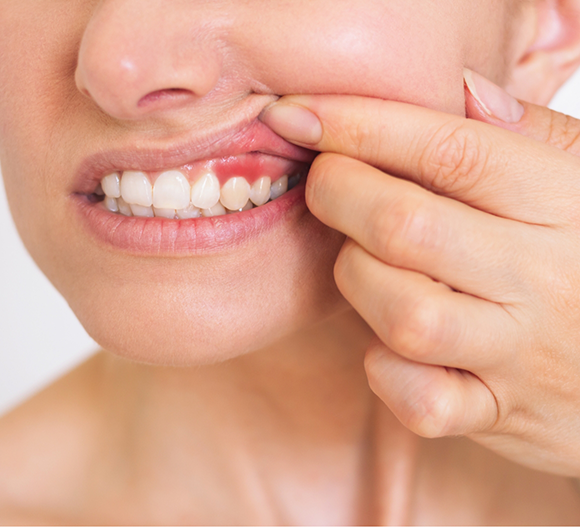
Due to having two stages, gum disease can cause a wide range of symptoms. Its signs often depend on how far it progresses before a patient gets treatment.
For instance, the common signs of gingivitis are:
- Swollen gums
- Gum tenderness
- Red, bleeding gums
- Gum recession
- Halitosis (i.e., chronic bad breath)
In contrast, periodontitis has harsher symptoms, like:
- Tooth sensitivity (often due to gum recession)
- A shift in your bite
- Chewing pain
- Loose permanent teeth
- Changes in your restoration’s fit
- Permanent tooth loss
How Do We Treat Gum Disease?

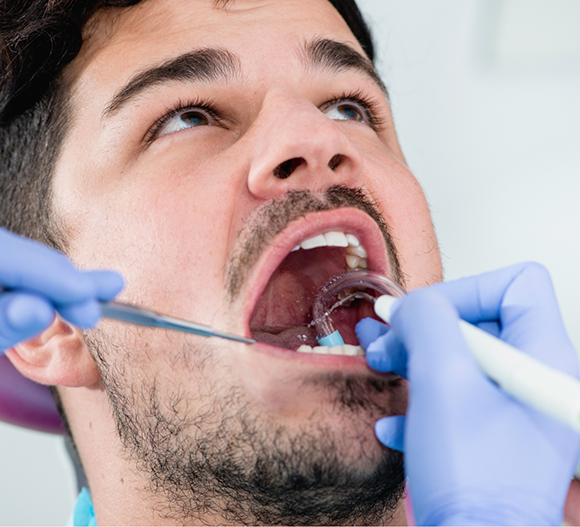
Before providing gum disease treatment, Dr. Brown will give you an oral exam at your consultation. This step lets him confirm the state of your gums – their sensitivity, inflammation levels, and so on. He’ll then use its findings to determine if a common treatment called scaling and root planing is right for you.
Scaling & Root Planing
Since the source of gum disease is bad bacteria, the standard treatment for it is scaling and root planing. This two-part deep cleaning removes plaque and tartar from your teeth’s surfaces and gum pockets. For the “scaling” visit, we do the initial removal work and get rid of your mouth’s harmful microbes. The latter, “root planing,” smoothes out the roots of your teeth so your gums can healthily reattach. For more specific details, please keep reading or call our office.
Do I Need Scaling & Root Planing?

Only a dentist can tell if you need scaling and root planing, as their training lets them notice whether your gums seem healthy. Still, you can watch for specific signs that suggest a need for deep cleaning. Such symptoms include:
- Persistent bad breath (i.e., halitosis)
- Visible buildup of plaque
- Gums that bleed from brushing or flossing
- Swollen or puffy gums
- Receding gum tissue
Early gum disease signs can often be managed with oral care. However, if your infection progresses too far, you’ll need scaling and root planing. Only treatment will keep you from getting worse at that point.
The Process of Scaling & Root Planing
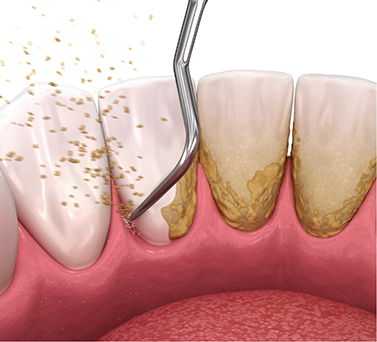
In most cases, the scaling and root planing process takes two dental visits. That means it occurs in two parts: the initial scaling and the root planing later.
At the first visit, Dr. Brown will perform a “scaling” of your smile. This work uses a scaler to clear away plaque and tartar from all the surfaces of your teeth. From there, it moves as far down as the pockets of your gums.
The second treatment visit is when the “root planing” occurs. At that time, Dr. Brown will remove hard bacterial deposits that cling to your tooth roots. Since these deposits are beneath the gum line, removing them stops bacteria from re-infecting your gums.
Aftercare Tips for Scaling & Root Planing

Scaling and root planing can get intense, so your teeth and gums will need a few weeks to heal from it. You’ll likely face heightened sensitivity and discomfort during this time. So, consider using the following aftercare tips:
- Salt Water Rinses – Rinse your gums with warm salt water after eating, as this trick reduces gum irritation and loosens debris around your teeth. To make the salt water, use ¼ teaspoon of salt for eight ounces of water.
- Please Brush Gently – Don’t use a hard-bristled toothbrush when brushing after treatment. A soft-bristled toothbrush will help you avoid irritation and bleeding, while brushing in slow, circular motions will prevent discomfort.
- Avoid Certain Meals – While you’re healing, please don’t have hot and spicy foods, alcohol, or acidic drinks. These items would inflame and irritate your gums.
- Don’t Rush Yourself – At least right after treatment, avoid intensive physical activities. These would only delay the healing process.