
TMJ & Teeth Grinding Treatment Doylestown, PA
Address Your Chronic Jaw Pain for a Better Life
Chatting and eating with friends and family are usually day-to-day events that can be looked forward to. However, if you deal with chronic jaw pain, you may even avoid these common activities. The pain and dysfunction of the jaw, known as TMJ disorder, is a problem that affects an estimated 10 million Americans or more. It may also be related to bruxism, or more commonly, teeth grinding, which often impacts patients without them even realizing it. Read on to learn how Dr. Sean Brown treats the causes of TMJ disorder in Doylestown and can provide patients with lasting relief.
Why Choose Sean Brown, DDS for TMJ & Teeth Grinding Treatment?
- Experienced Dentist & Team
- Advanced Technology & Comforts
- Affordable, In-House Clear Retainers
What Is TMJ Disorder?
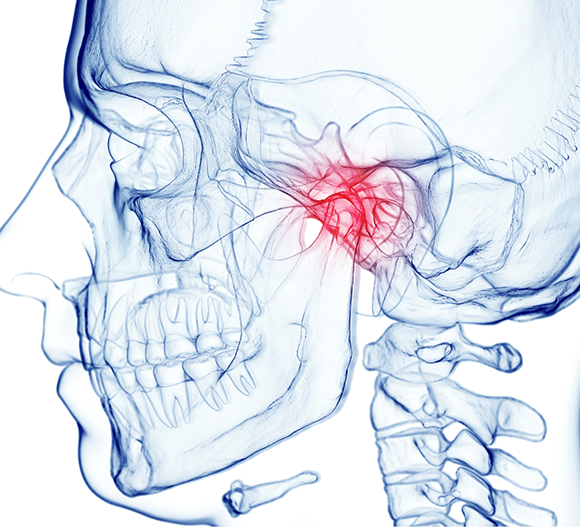
TMJ stands for the temporomandibular joints and muscles on either side of your head that connect your jaw to your skull, allowing you to chew and speak. The TMJs are some of the most complex joints in the body, and they can often become injured or inflamed, leading to TMJ disorder. This problem occurs when soreness, damage, or pain causes dysfunction. When the joints are not functioning properly, you will experience serious discomfort and difficulty doing the easiest activities like eating and talking. This disorder is usually caused by issues like teeth grinding, misaligned bite, or routine clenching – the extra pressure puts a strain on the TMJs, potentially leading to dysfunction.
Signs & Symptoms of TMJ Disorder

TMJ disorder is thankfully treatable, but it’s important to catch it as soon as possible. That’s why you should be on the lookout for the following common warning signs:
- Jaw pain or tenderness
- Pain in one or both temporomandibular joints
- Chewing that is painful or difficult
- Clicking or locking sensation of the jaw
- Aching facial pain
- Difficulty opening or closing your mouth
TMJ Treatment
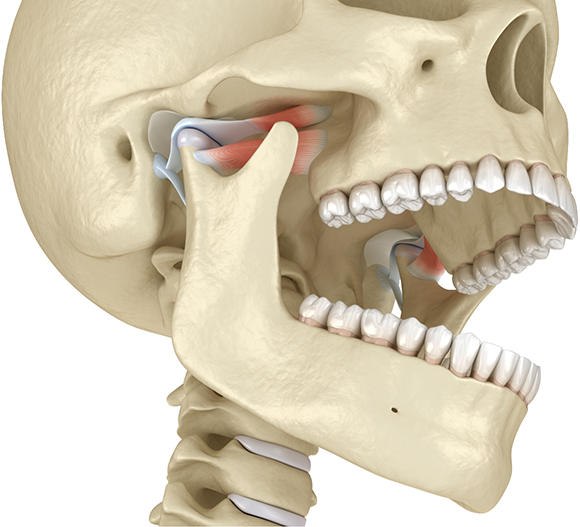
Dentists are actually among the best healthcare providers for treating TMJ issues, thanks to their detailed and extensive knowledge of the oral anatomy. Dr. Brown can suggest one of several custom treatment options designed to address your specific issue, such as:
Occlusal Splints
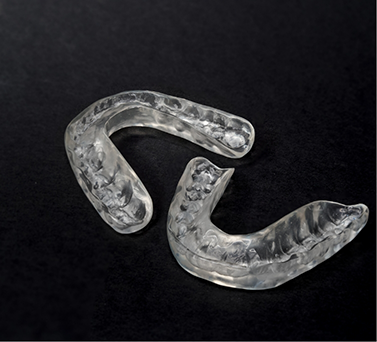
Occlusal splints are a very common form of TMJ treatment due to how easy they are for patients to use! These are essentially custom-made mouthguards that are worn over the teeth to prevent unfavorable contact while also properly positioning the jaw at night.
Equilibration/Occlusal Adjustment
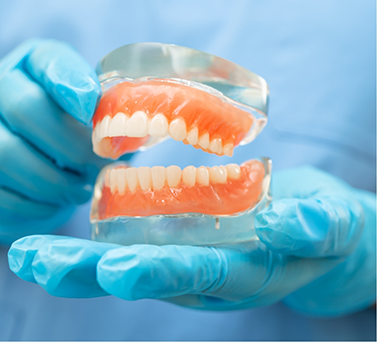
Equilibration, sometimes referred to as occlusal adjustment, involves Dr. Brown carefully making tiny adjustments to the enamel of certain teeth. This helps to ensure that all of your teeth touch like they’re supposed to, preventing unnecessary wear on their enamel and reducing the strain placed on your jaw joints.
Tips for At-Home Relief

There is no substitute for professional treatment; however, there are some steps you can take to mitigate your symptoms on your own, including:
- Avoid eating extra hard or chewy foods to allow your TMJ to relax
- Avoid chewing gum
- Avoid biting on your nails and lower lip
- Practice good posture
- Limit large jaw movements (like singing or yawning)