Do you have a dental emergency plan in place in case your child develops a painful toothache or you sustain a dental injury? If not, we’ll give you a simple one: call Dr. Sean Brown. When you contact our dental office for emergency dentistry in Doylestown, we’ll quickly assess your situation and schedule you for a same-day appointment if needed so you can get the professional attention you deserve without delay.
Why Choose Sean Brown, DDS for Emergency Dentistry?
Perhaps you don’t know what urgent dental care involves. Well, not to worry; we’ll help you learn! To that end, here are four things to expect from an emergency dental visit:
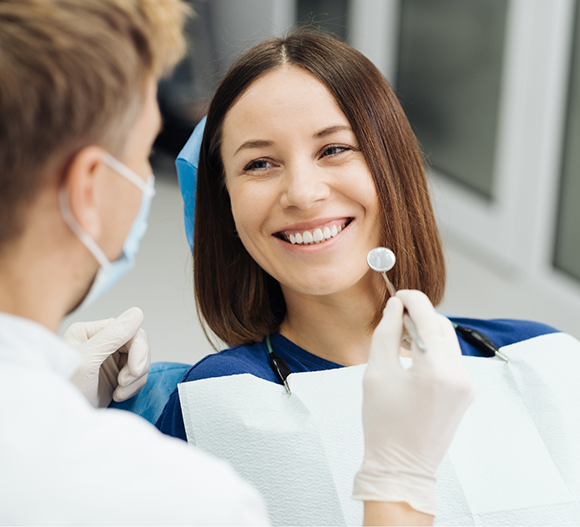
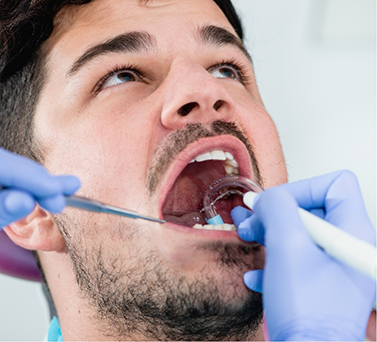
An Emergency Exam – Right when you arrive for the visit, we’ll give you an emergency exam. This step lets us learn the source and extent of your oral issue. Furthermore, it helps us know how best to relieve your pain.
Review of Findings – Dr. Brown will review his exam findings with you and suggest possible procedures. In particular, you can trust him to devise a custom treatment plan suited to you. While walking you through it, he’ll also explain the estimated price and timeline.
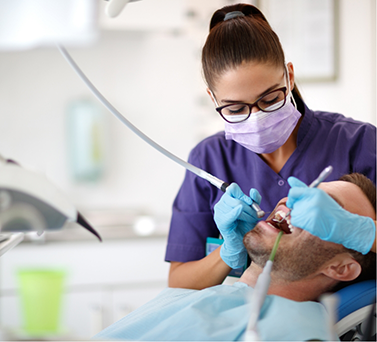
Proper Dental Care – Our team will get your smile back on track and address your urgent oral problems. Whether that means giving you a filling, crown, root canal therapy, or something else, we’ll get the job done!
The Most Common Dental Emergencies
Even if you just think you’re experiencing a dental emergency, the best thing you can do is contact our dental office. Describe your symptoms as clearly as you can, and we’ll let you know what to do next and whether this involves coming to see us. Acting quickly will help address the problem before it has a chance to become more severe. In that spirit, here are a few strategies for dealing with some of the most common dental emergencies before your appointment with us:
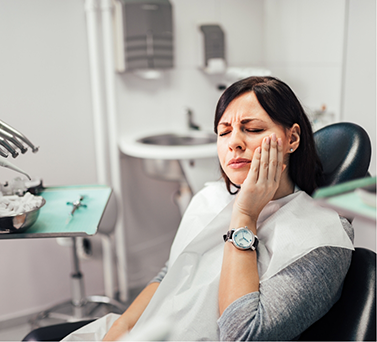
Is My Toothache a Dental Emergency? If the pain has persisted for more than 24 hours (or worsened in that time), you’re experiencing discomfort when biting down, or there are any other abnormal dental symptoms present in tandem with your toothache, like a pimple-like bump on your gums, then the answer is “yes!”
How You Should Handle a Toothache: The first step is scheduling an appointment with our Doylestown emergency dentist, Dr. Brown. After you have that on your calendar, you can move on to the next step: alleviating your discomfort. Not chewing on that side of your mouth, placing a cold compress against the outside of your cheek, keeping your head elevated, and taking an over-the-counter pain reliever can go a long way. It’s important to remember, however, that these are just short-term solutions. To get the long-lasting relief you need, you must visit our office for treatment.
How We Treat Toothaches: Before determining the answer, we will need to first pinpoint the cause of your toothache. Oftentimes, it’s an untreated cavity. In that case, we can restore the look and function of your tooth with a tooth-colored filling, dental crown, or root canal therapy. Important note: although our goal is always to save your natural teeth, there are some cases where the damage is so severe that it’s no longer feasible. At this point, we will need to extract the tooth and replace it with a dental bridge or implant.
Is a Chipped Tooth a Dental Emergency? There are some cases where a chipped tooth requires a same-day visit to our dental office near New Britain, like if you’re experiencing a lot of pain. If you’re ever unsure of how to handle a dental injury, you’re welcome to give us a call. We’d be happy to learn more about your situation before determining what you should do next.
How You Should Handle a Chipped Tooth: Since there may be lingering shards of your tooth in your mouth, one of the first steps you should take is rinsing thoroughly with room-temperature water. If your damaged tooth now has a sharp edge, then place some dental wax or sugar-free gum over it to protect the inside of your mouth from being cut as well.
How We Treat Chipped Teeth: Of course, the treatment we recommend will depend on several factors, including the size of the chip and where the tooth is located. For example, if the damage was sustained to one of the teeth that show when you smile, then we may recommend veneers since they are extremely lifelike in look and feel, and they can last for more than a decade with proper care!
Is a Cracked Tooth a Dental Emergency? A cracked tooth poses numerous problems, from pain when chewing to an increased risk of developing an infection. Therefore, this dental injury definitely warrants a call to our office.
How You Should Handle a Cracked Tooth: If you’re in pain, then consider taking an over-the-counter pain reliever to provide you with short-term relief. We also recommend doing what you can to prevent the cracked tooth from sustaining further damage or becoming infected, like rinsing your mouth with lukewarm water periodically. It goes without saying that you should also avoid chewing with your cracked tooth, especially hard, crunchy, acidic, and sugary foods.
How We Treat Cracked Teeth: Dental crowns are a reliable, lifelike, and long-lasting way to protect weakened teeth, making them perfect for patients with cracked teeth. Again, if the crack is so significant that the best choice for your oral health is to remove it, then we will need to discuss your other treatment options, like removing the tooth and filling the open space with a dental implant.
Are Very Sensitive Teeth a Dental Emergency? Generally, most cases of sensitive teeth don’t count as dental emergencies. They usually stem from mild exposure of tooth roots due to over-aggressive brushing or an acidic diet. That said, tooth sensitivity can be an emergency if it’s severe, long-lasting, or only impacts one or two teeth. Given such symptoms, you may suffer from a cracked tooth, a deep cavity, gum disease, or a dental abscess.
How You Should Handle Very Sensitive Teeth: Before anything else, your first action should be to call your dentist. They’ll confirm whether the sensitivity can be treated at home or if you need urgent oral care. Our office will also suggest some initial home remedies. Often, these fixes include drinking warm water, avoiding sweet foods, and taking over-the-counter pain relievers.
How We Treat Very Sensitive Teeth: Ultimately, how our dentists treat your sensitivity will depend on its cause. If the source is weakened enamel, they may offer desensitizing toothpaste, prescription mouthwash, or a topical fluoride treatment. If the sensitivity comes from gum disease or a tooth infection, you might need antibiotics, fillings, or root canal therapy.
Is a Knocked-Out Tooth a Dental Emergency? As a matter of fact, yes – a knocked-out tooth is a dental emergency. You might lose it for good without prompt dental treatment. Therefore, you should see a dentist as soon as possible. You’ll likely suffer the effects of tooth loss otherwise.
How You Should Handle a Knocked-Out Tooth: Firstly, try to find where the now-lost tooth has fallen. Once you have, please pick it up by the crown to avoid harming its roots. You can then gently rinse the tooth and store it in milk or saline solution. Make sure not to place it in plain water, which will damage the pearly white.
How We Treat Knocked-Out Teeth: If your tooth is alive and not damaged, the dentist could re-implant it. It could then reintegrate with your bone and soft mouth tissue over time. Of course, maybe the tooth can’t be saved. In that case, our office would suggest replacement options like bridges and dental implants. These restorations let you avoid the problems of untreated tooth loss.
Is a Lost Filling or Crown a Dental Emergency? A lost filling or crown usually isn’t an emergency, as restorations aren’t meant to last forever. Still, you’d be wise to call your dentist right away. Whether the affected tooth hurts or not, it’s vulnerable to infection without its prosthetic.
How You Should Handle a Lost Filling or Crown: If at all possible, find the lost restoration and bring it to our office. Our dentists can reseat a crown temporarily when it’s in good enough shape. In contrast, we don’t recommend the same for dental fillings.
How We Treat Lost Fillings or Crowns: We could recement the restoration if it’s mostly intact. If it isn’t, though, you may need to get a replacement filling or crown instead.
Is My Broken Denture a Dental Emergency? While this may seem more like an inconvenience than an urgent situation, wearing broken dentures can damage your gums, jaws, soft tissues, and any remaining natural teeth. It’s important to have them repaired as soon as possible.
How You Should Handle a Broken Denture: Contact our office, and we’ll schedule an appropriate appointment to see you. While denture repair kits claim to be able to restore your prosthetics, it’s best to have professional oversight to ensure it’s done correctly and that everything fits as intended.
How We Treat Broken Dentures: If your artificial teeth sustain chips or cracks, we might be able to restore them with composite resin, like the kind used in cosmetic dental bonding. If the harm done is too severe or impacts the base, we may have to reline or replace your dentures entirely.
Is a Loose Permanent Tooth a Dental Emergency? Also referred to as partially dislodged or extruded, your loose tooth might be due to one of several potential causes. Whether it’s from progressive gum disease or a blow to the face, you should be seen right away because it’s at risk of falling out.
How You Should Handle Loose Permanent Teeth: Call us immediately for an appointment. Then, don’t eat anything overly hard or sticky, and try not to chew with that side of your mouth. Swish gently with warm salt water to keep your mouth clean, but avoid brushing or flossing your loose tooth.
How We Treat Loose Permanent Teeth: If you have a loose dental implant, we can sometimes perform a bone graft to bolster it. We might be able to stabilize a natural tooth with a splint or another treatment, but if it’s too far gone to be restored, we may have to extract and replace it.
Is an Injury to the Gums, Lips, or Tongue a Dental Emergency? If you’ve sustained an injury that resulted in bleeding gums, lips, or tongue, it’s natural to panic. If the bleeding is minor, we may be able to assist you.
How You Should Handle an Injury to the Gums, Lips, or Tongue: Call us right away to let us know what happened, and we’ll walk you through appropriate care instructions over the phone and schedule a same-day appointment. Then, gently rinse your cut with water to remove dirt and debris. Apply a clean washcloth or folded gauze to slow the bleeding. A cold compress or over-the-counter medications can usually be used to reduce swelling and inflammation.
How We Treat Injuries to the Gums, Lips, or Tongue: If the wound is small enough, we can help clean the area and stitch it closed to prevent an infection. However, if the cut is too large or the bleeding doesn’t stop after 10 minutes of applied pressure, you should head to the nearest ER.
Jaw Pain
Is Jaw Pain a Dental Emergency? Jaw pain can detract from the quality of your daily life, but it isn’t always an emergency. However, it can lead to a stiff or locked jaw, which, if severe enough, warrants immediate attention. It’s better to address it now before it progresses into something worse.
How You Should Handle Jaw Pain: Contact our office so we can book an appointment and share specific care instructions based on your unique circumstances until you arrive. If your jawbone is broken or dislocated, we’ll instruct you to go to your local ER first. Otherwise, you can mitigate symptoms with a cold compress or over-the-counter pain medications like Tylenol or ibuprofen until we can see you.
How We Treat Jaw Pain: If your discomfort is due to bruxism, or chronic teeth-grinding, then we can provide a special nightguard to shield your teeth and relieve the constant pressure from clenching. If it’s due to impacted or infected teeth, we might need to extract and replace them to preserve your oral health and alleviate your discomfort.
Is Something Stuck Between the Teeth a Dental Emergency? Typically, having something jammed in your teeth doesn’t require immediate attention. However, some patients injure their teeth or gums in their attempt to remove stuck objects.
How You Should Handle Something Stuck Between Your Teeth: Try gently flossing or rinsing your mouth with water to see if the object comes loose. If that’s ineffective, contact us for an appointment. Don’t try to use tweezers, utensils, or other household items to try to pry it free because you might cause damage that requires additional treatments to repair.
How We Treat Something Stuck Between the Teeth: Our team has the experience and specialized equipment to safely remove anything caught between your teeth while preserving your oral health.
Understanding the Cost of Emergency Dentistry
Like with medical emergencies, the price for your care will be based on the type and severity of your injury as well as the procedure needed to fix it. For that reason, we can’t provide you with an estimate of the cost until you visit Dr. Brown for an exam. We can, however, share some helpful information on the topic, including whether dental insurance providers typically cover a portion of the cost.
Every Dental Emergency Is Different
As we mentioned above, the type and severity of your injury will determine the cost. After all, patients visit us for numerous reasons – from minor toothaches to severe gum disease. These two oral health problems require two completely different treatments and, therefore, come with two different price tags. With all of that said, we understand that cost is a big concern for many patients, which is why we accept dental insurance and offer financing options. We want the treatment you need – no matter how extensive it is – to be easily affordable.
Does Dental Insurance Cover Dental Emergencies?
Some do! If you have dental insurance, it’s worth taking the time to familiarize yourself with your benefits so that you fully understand what types of services are covered. At our office, we would like to be clear that while we aren’t in-network with any specific providers, we are still happy to accept dental insurance and help you maximize your benefits – and even file the paperwork on your behalf! So, if you have any questions pertaining to your benefits, don’t hesitate to give us a call.
Other Options for Making Dental Emergencies Affordable
Are you currently uninsured? Good news: we welcome CareCredit! With this trusted third-party financier, you can break up the cost of your care into smaller chunks that fit comfortably into your budget. If you’d like to learn more about this financial solution, then give our friendly dental team a call. We’d be happy to provide further details, answer any questions you have, and show you where to sign up.
Taking Care of Your Smile Can Save You Money
If you are dealing with abnormal dental symptoms – whether it’s pain when biting down or gums that bleed when you floss – don’t take the “wait and see” approach to try and save money. The best way to reduce the cost of treating your dental emergency is by scheduling an appointment with us as soon as you can. That way, we can address the problem before it becomes more complicated and painful.
Bonus tip: Prioritize good habits, like brushing and flossing consistently. That way, there’s a lower risk of tooth decay, periodontal disease, and other oral health problems developing.
Keys to Preventing Dental Emergencies
Although Dr. Brown has plenty of experience successfully helping patients through dental emergencies, there are things you can do to prevent them from occurring. Proper dental care keeps teeth in better condition and allows them to resist decay, damage, and disease.
Continue reading to learn how to potentially avoid an urgent dental situation, and feel free to contact us with any additional questions.
Visit Your Dentist Regularly
Many people only think about seeing their dentist when they notice a problem or are in pain, meaning the harm has already been done. Fortunately, visiting our team every six months for a routine checkup and cleaning can protect and preserve your smile so you’re less likely to have issues. We can spot early indicators of issues like cavities or gum disease before they can progress into more dangerous conditions that lead to an emergency.
Maintain a Regular At-Home Oral Hygiene Routine
Seeing your dentist is a great way to monitor your overall oral condition in the long run. However, cleaning your teeth every day is essential to proper preventative care because it consistently removes plaque and bacteria that cause problems.
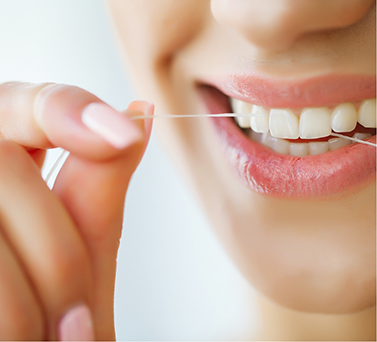
Your at-home regimen should consist of thoroughly (but gently) brushing and flossing both morning and night. You can finish by rinsing your mouth with an appropriate mouthwash that won’t harm any existing dental work in your mouth.
Eat a Well-Balanced Diet
Cavities occur when bacteria work in tandem with acids from the food you eat to erode your enamel and penetrate the surface of your tooth. Indulging in overly sugary or acidic ingredients, including sodas and sports drinks, can weaken their protective outer layer and cause sensitivity.
Eating more wholesome options can help support oral and overall health. For instance, dairy products like milk and yogurt contain calcium, which is necessary for strong teeth and bones. Also, many citrus fruits contain vitamin C to support connective tissues like your gums.
Protect Your Teeth
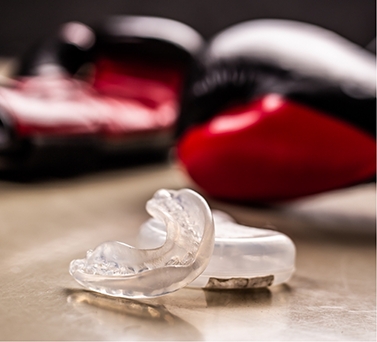
If you participate in high-contact sports or other activities, you’re more likely to sustain a physical injury to the face that can injure or completely dislodge a tooth. Many athletes wear mouthguards to preserve their grins. Our team can provide a customized oral appliance that fits like a glove for optimal protection.
We can provide similar devices for patients suffering from bruxism (chronic teeth grinding) to safeguard their smiles from all the added tension.
Don’t Use Teeth as Tools
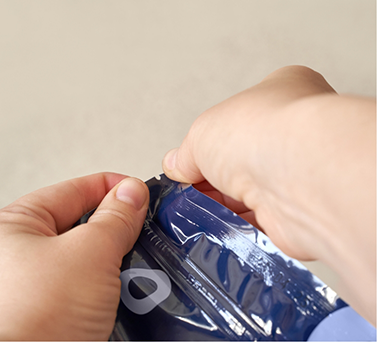
It’s awfully tempting to quickly tear open a letter or package with a sharp tooth, but doing so can chip, crack, or break it. Instead, take a moment or two to locate the appropriate tool for the job, like a letter opener, box cutter, etc. This preserves your teeth so they can continue to fulfill their intended functions, like eating and speaking.
TMJ & Teeth Grinding Treatment
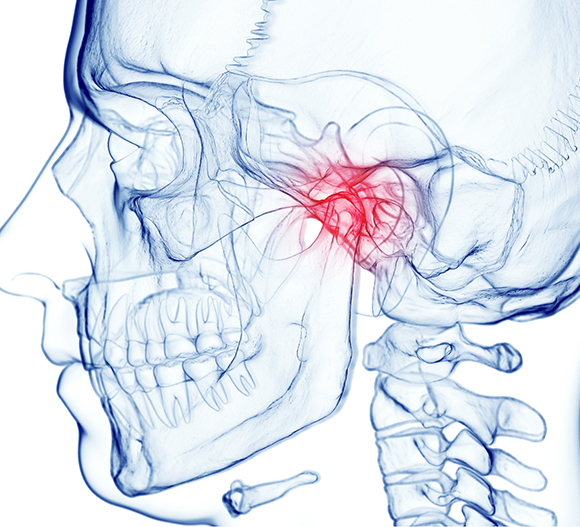
Do you experience chronic jaw soreness, headaches, earaches, or neck pain? If so, the problem could actually stem from an inflamed or strained TMJ, or temporomandibular joint. This is your jaw joint, and problems in this area can cause a variety of unpleasant symptoms felt throughout the entire head and neck. Dr. Brown can determine the source of your longstanding discomfort and then provide treatment that’s designed to directly address it, stopping the pain and restoring your oral function at the same time.
Many patients get caught up in whether or not their oral situation would actually be considered an “emergency” or not, because they don’t want to make a big deal out of a small problem. Unfortunately, this often results in putting your situation off long enough for it to get worse, which is why we recommend visiting our office for an emergency examination whenever you experience any out-of-the-ordinary symptoms or oral discomfort.
How Can I Manage Oral Pain?
One of the most effective ways to help you feel more comfortable until you’re able to reach our office is to hold a cold compress against your cheek for 10 minutes on, 10 minutes off, for up to an hour. This will minimize your pain and reduce any swelling, which is especially effective if you have a tooth infection.
Should I Go to the ER or an Emergency Dentist?
While our team is able to handle most oral health emergencies, some issues that can be life-threatening require immediate medical attention. For any of these situations, we recommend visiting your local emergency room before calling us:
Bleeding that doesn’t stop after applying pressure to the area for 15 minutes.
Deep facial cuts that could require stitches.
A dislocated or broken jaw.
Any issue that impacts your breathing or ability to easily swallow.
What Should I Do If My Jaw Is Locked in Place?
Visit our office as soon as possible if you experience lockjaw, so we can find a therapy to keep it from happening again and provide you with relief. In the meantime, it’s a good idea to apply heat to both sides of your jaw (on the joints) to help them relax. After your jaw feels more relaxed, place both of your palms on the joints and gently massage and wiggle the jaw back and forth and from side to side. Don’t force anything into place. When you arrive, we’ll help get your jaw to release and discuss treatment options with you, like our customized TMJ oral appliances.
What If My Toothache Goes Away on Its Own?
In some cases, patients choose to ignore a toothache and hope it goes away on its own. In some cases, that does happen — but a vanishing toothache is usually not a good sign. Remember, teeth cannot heal themselves. A toothache that goes away on its own may indicate that the nerve inside the tooth has died. However, an infection may still be present. The longer the infection is allowed to linger, the more damage it can cause to nearby tissue. It may even destroy some of the bone around a tooth and cause you to become seriously ill. In rare cases, an untreated dental infection can even become life-threatening.
Given these facts, contact our dental office near Bucks County to book an emergency visit when pain begins. Dr. Brown is ready to relieve your pain, preserve your precious smile, and protect your overall health.