Dental implants are designed to look, feel, and function much like natural teeth. However, there’s one important difference: Unlike natural teeth, dental implants don’t contain nerves. So, what does it mean if you experience sensitivity or discomfort around an implant? While the implant itself can’t feel pain, the surrounding gum and bone tissue can. Understanding what’s behind your symptoms can help you determine when it’s time to visit your dentist.
Can Dental Implants Actually Feel Sensitive?
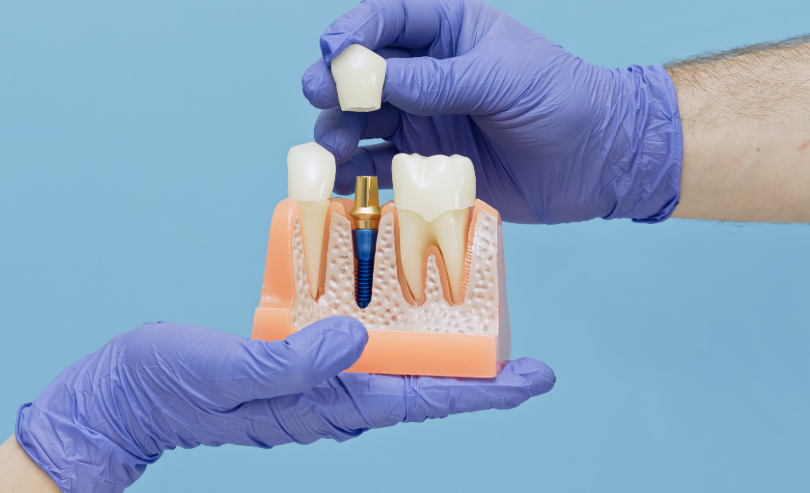
A dental implant consists of a small titanium post that replaces a missing tooth root, an abutment, and a dental crown. Because the implant doesn’t contain living nerve tissue, it can’t experience temperature sensitivity or toothaches in the same way a natural tooth can.
However, that doesn’t mean you won’t experience discomfort in the area. The gums, bone, and other structures surrounding your implant are living tissues with nerve endings. Inflammation, infection, or pressure affecting these structures can cause sensations that feel similar to tooth sensitivity.
If you’re experiencing pain when chewing, tenderness around the implant, or discomfort when brushing, it’s worth having the area evaluated.
What Causes Dental Implant Sensitivity?
Several issues can contribute to discomfort around a dental implant. Some are relatively minor, while others require professional treatment.
Here are a few possible explanations:
- Gum inflammation: Poor oral hygiene or plaque buildup can irritate the gum tissue surrounding an implant. This condition, known as peri-implant mucositis, may cause redness, swelling, and tenderness.
- Peri-implantitis: If inflammation progresses and begins affecting the supporting bone, it may develop into peri-implantitis. This infection can threaten the stability of your implant if left untreated.
- Bite misalignment: If your implant crown sits too high or experiences excessive pressure when you bite down, you may notice discomfort while chewing. Your dentist can evaluate your bite and adjust the restoration if needed.
- Nerve irritation: Although implants don’t have nerves, nearby nerves can sometimes become irritated or compressed during implant placement. This may cause lingering discomfort, tingling, or unusual sensations.
- Problems with neighboring teeth: Sometimes, what feels like implant sensitivity actually originates from an adjacent natural tooth. Cavities, cracks, or gum problems nearby can create discomfort that seems to come from the implant.
When Should You Contact Your Dentist?
Some mild soreness is normal immediately after dental implant surgery. However, discomfort that persists, develops months after placement, or returns after you’ve healed deserves attention.
Contact your dentist if you notice increasing pain, swollen or bleeding gums, pus around the implant, difficulty chewing, or a feeling that the implant or crown is loose. Fever or spreading facial swelling may indicate a more serious infection requiring prompt attention.
Don’t try to diagnose or treat the problem yourself. Your dentist can examine the implant, evaluate the surrounding tissues, and use dental imaging when necessary to identify the underlying cause.
How Can You Protect Your Dental Implant?
Good oral hygiene is essential for keeping your implant healthy. Brush twice daily with a soft-bristled toothbrush, clean between your teeth and around your implant every day, and attend regular dental checkups. Avoid using your implant to bite down on particularly hard objects, and follow any personalized care recommendations from your dentist.
Dental implants can provide a reliable, long-lasting solution for missing teeth, but they still need attention and maintenance. If something doesn’t feel right, getting it checked early can help protect your investment and your smile.
About the Practice
Dr. Sean Brown provides comprehensive dental care with an emphasis on helping patients achieve and maintain healthy, confident smiles. Through personalized treatment planning and restorative services, including dental implants, Dr. Brown helps patients replace missing teeth and restore everyday comfort and function. The practice is committed to providing attentive care tailored to each patient’s individual needs.
Call us at (215) 348-2224 or schedule your appointment online